Billy wallson
Senior DirectorWhen the light is against you, stop fighting it and start using it to create graphic, moody heron photographs.
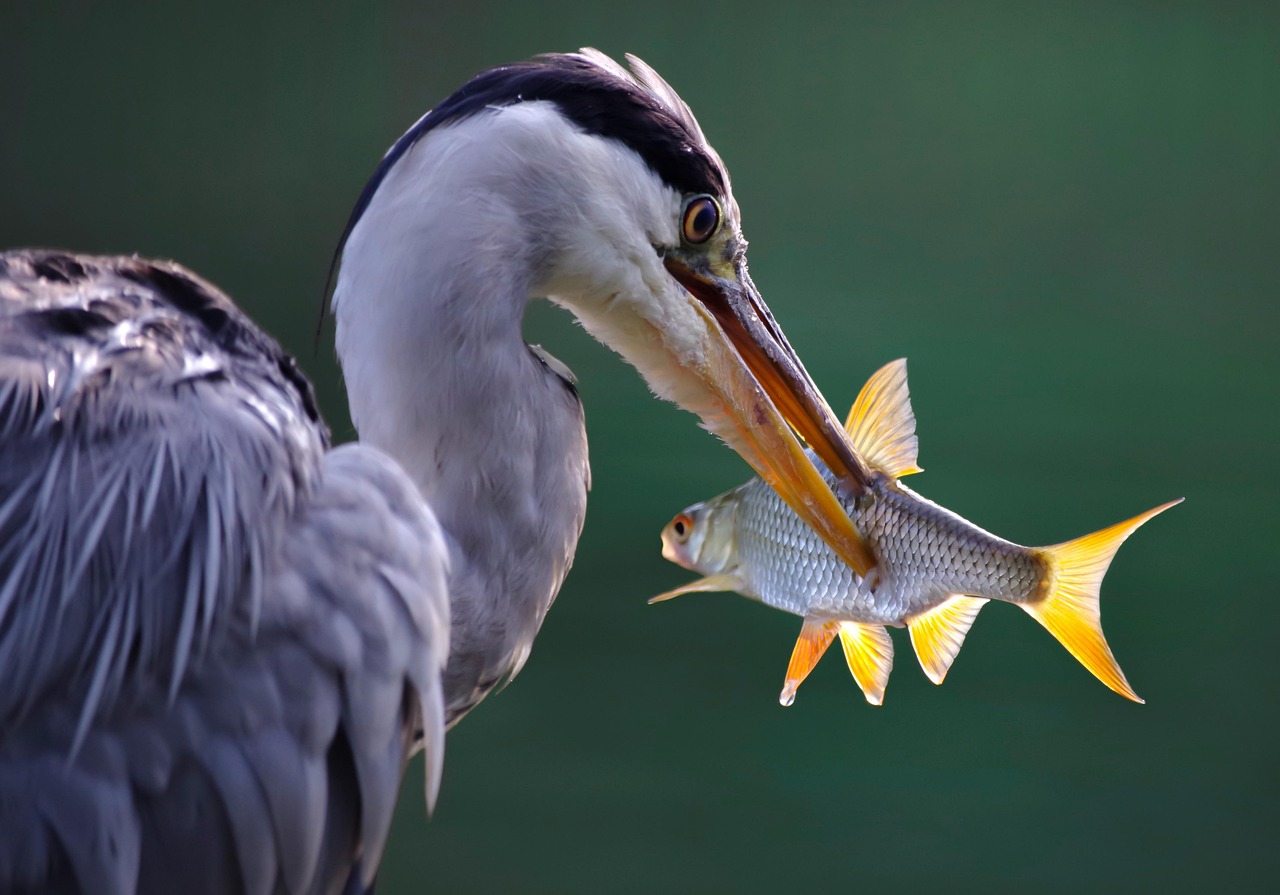
There is a particular stillness that comes over a heron when it has decided on a hunting spot. The bird becomes almost architectural, a statue of itself, and if you are new to watching them you might assume nothing is happening at all. But the stillness is the point. Everything a heron does as a hunter is built around not being noticed, and the reward for all that patience is a meal that other, more frantic birds simply cannot catch.
I have spent a lot of early mornings crouched behind reeds watching great blue herons work the shallows, and the longer I watch, the more I notice how much of their success comes down to reading the water. They are not wandering randomly. They are choosing edges, seams, and shadows where small fish feel safe enough to linger, which is exactly where a heron wants them to linger.
When a heron finally moves, it is fast enough that your eye barely registers it. The neck, folded into that distinctive S shape while the bird is at rest, uncoils like a spring. The bill spears forward and down, and more often than not it comes up with something silver and thrashing. What makes the strike so effective is not just speed but the coiled potential that preceded it. The bird has been holding that energy in reserve for minutes at a time, waiting for the precise moment when a fish drifts just a little too close to the surface.
Different herons bring different strategies to the same water. Great blues tend to be stand-and-wait specialists, anchoring themselves in one spot and letting the fish come to them. Green herons are more restless, often crouching low on a branch or a log and lunging sideways rather than straight down. Snowy egrets, which share the same wetlands, take a more active approach, shuffling their bright yellow feet to stir up prey. Watching these styles side by side is one of the best lessons in how behavior adapts to body and habitat.
What I find most striking is how rarely herons miss in a way that seems careless. A failed strike is usually followed by a brief pause, a small adjustment of the head, and then a return to that same frozen posture. There is no frustration, no wasted energy. The bird simply resets and waits again. That economy of motion is something I try to remember when I am the one getting impatient behind the lens.
If you want better heron images, stop chasing them. Find a spot where the light is good, the background is clean, and the water is shallow enough that a bird might choose to hunt, then settle in and wait. The best feeding shots I have taken came from sitting still for forty minutes or more, letting the heron forget I existed. Bring a comfortable seat, keep your movements slow, and resist the urge to reposition every time the bird twitches.
Watch the water, not just the bird. The heron is reading it constantly, and if you learn to read it too you will start to anticipate the strike a half second before it happens. That half second is often the difference between a sharp frame and a blur. Feeding behavior is where heron photography rewards patience more than any other subject, and honestly, that is part of what makes it so satisfying when it finally comes together.

Flight shots of herons are within reach with a few practical adjustments to your settings, your position, and your expectations.

Great heron images rarely come from chasing birds; they come from sitting still long enough for the bird to forget you exist.
Responsible birdwatching protects the birds we love, and a few simple habits make a real difference at the marsh.

The marsh changes character through the seasons, and heron watching changes with it in ways that are worth planning around.

When the light is against you, stop fighting it and start using it to create graphic, moody heron photographs.

These two large herons look strikingly similar at a glance, but a few reliable field marks separate them quickly once you know what to look for.

Copyright © 2026 Heron Hollow. All Rights Reserved.


Roseanne Williams
Sep 2, 2026 ReplyA close look at the slow, deliberate hunting techniques that make herons some of the most successful predators in the wetland.